How could a man deny what does not exist except as concept (self) when he cannot be certain of what exists (reality) yet claims that reality only exists?
If only reality existed, then even thought itself would not exist.
That thought and concept exists prove that self exists.
And the reason why reality exists is due to man's ability to think about it.
This is not to say that no-thought leads to unreality but that reality is not independent of thought.
For even if man did not exist, mind is not alien to lesser beings. It's just that they have no need for self-awareness. For mankind is not the only being capable of thought; he is merely capable of self-awareness.
Hence the declaration that "mind alone exists" refers to the spiritual essence which manifests itself in all creation.

20061228
The Psychosis called Childhood
The behavior of someone on LSD and a small child are very similar. I believe that there is a naturally occurring "LSD like" chemical that we are all born with that wears off over a period of 16 to 25 years. During this time we call "maturing," it should be expected that the child will make really stupid and thoughtless mistakes. - Psychotic Kids
There actually is a substance in the brains of most people similar to LSD.
It's called DMT or dimethyltryptamine. It is similar in structure to serotonin.
"DMT is created in small amounts by the human body during normal metabolism by the enzyme Tryptamine-N-methyltransferase."
But the body quickly metabolizes it before we are aware of any effects.
However, perhaps in children, they may react to the brief moment when their brains are affected by DMT.
Hence the play of children where they talk to imaginary friends might be part of the normal "delusions" and "hallucinations" of childhood.
Thus mental illness and drug highs may be due to psychological immaturity, a side-effect of that inherent brief "psychosis" called childhood
There actually is a substance in the brains of most people similar to LSD.
It's called DMT or dimethyltryptamine. It is similar in structure to serotonin.
"DMT is created in small amounts by the human body during normal metabolism by the enzyme Tryptamine-N-methyltransferase."
But the body quickly metabolizes it before we are aware of any effects.
However, perhaps in children, they may react to the brief moment when their brains are affected by DMT.
Hence the play of children where they talk to imaginary friends might be part of the normal "delusions" and "hallucinations" of childhood.
Thus mental illness and drug highs may be due to psychological immaturity, a side-effect of that inherent brief "psychosis" called childhood
20061227
Advice to people who go psychotic on Ambien
If you take 2 10 mg of Ambien and your brain has been known to "daydream", then you could see things and hear things (hallucinate).
"Incidentally, antipsychotics like ziprasidone (Geodon®) or quetiapine (Seroquel®) may be prescribed alongside zolpidem to both combat these side effects and to aid in sleep-induction, as both of them contain mild hypnotic properties."
If you really need to sleep, use an herbal remedy like Valerian. If you are not addicted to GHB, the valeric acid is a superior form of GHB in that it does not lead to addiction (unless you are addicted to sleep).
Valerian fixed my insomnia. It brought back my dreams too. Though I get them just by being with a lot of people.
"Incidentally, antipsychotics like ziprasidone (Geodon®) or quetiapine (Seroquel®) may be prescribed alongside zolpidem to both combat these side effects and to aid in sleep-induction, as both of them contain mild hypnotic properties."
If you really need to sleep, use an herbal remedy like Valerian. If you are not addicted to GHB, the valeric acid is a superior form of GHB in that it does not lead to addiction (unless you are addicted to sleep).
Valerian fixed my insomnia. It brought back my dreams too. Though I get them just by being with a lot of people.
20061225
20061224
THE GREAT MARIJUANA CONSPIRACY
INTRODUCTION:
Marijuana is the anti-drug campaigners' whipping boy. Is marijuana truly the gateway to hard drugs? Or, is its inclusion in most international drug laws and conventions a means by which marijuana remains associated with dangerous drugs and substances? This article will trace the history of marijuana and the law.
WHY MARIJUANA WAS CRIMINALIZED IN 1937
The reason for marijuana being criminalized in 1937 was to prevent people in the hemp industry from becoming wealthy. Quite obviously, people representing forestry, petrochemical and pharmaceutical industries feared the enormous competition from the infant hemp industry. So they conspired to kill it by taxing marijuana. Later, marijuana was criminalized through various drug laws and conventions around the world.
THE ANSLINGER-MELLON CONNECTION
One man who first spread myths about marijuana is Harry J. Anslinger, who was appointed director of the Bureau of Narcotics and Dangerous Drugs (predecessor of the Drug Enforcement Agency -DEA- of today). He was a man who hated jazz music and tried to get jazz musicians herded up into prison for smoking the sacred herb. The time dilation effect of THC probably helped introduce extra beats into jazz music. But Anslinger didn't like jazz and he hated marijuana even more. At first, Anslinger declared marijuana caused users to go crazy and commit violent acts. As a result of his testimony, persons who used pot could use the insanity defense to get a less charge to murder. Later on, after doctors testified at a second hearing regarding marijuana, Anslinger recanted his earlier testimony, conceding the sacred herb probably didn't cause insanity or violent behavior, but added that it could lead to opium use. This is how the gateway myth originated.
In 1931, Anslinger got his job at the Bureau of Narcotics at the recommendation of a man named Mellon, who happened to be his wife's uncle. Mellon, also director of the Mellon Bank, was U.S. Secretary of the Treasury. He associated with other wealthy men such as William R. Hearst, Sr. and the DuPont brothers. Hearst owned a chain of newspapers across the U.S. as well as a large lumber company. The DuPont family had just patented a paper making process using wood pulp some years earlier. As well, they had a new invention, a kind of synthetic cotton called nylon.
HEMP INDUSTRY BUSTS; ALCOHOL AND TOBACCO INDUSTRIES BOOM
Unfortunately, the infant hemp industry seemed to threaten these rich men's monopoly in the pulp and paper industry. In fact, in 1937, Popular Science predicted that hemp would become a billion dollar industry. With the passing of the Marijuana Tax Act, the industry was suppressed, only to surface during World War II when America's main supply of manila hemp was cut off after Japan occupied the Philippines.
Since then, marijuana has endured a smear campaign originally instigated by Hearst's newspapers and imitated by other newspaper chains around the world. After hemp was banned in 1938, DuPont came out with nylon. It licensed out the paper making process to Hearst so that wood-pulp could be easily made into cheap paper. Meanwhile, the anti-pot propaganda demonized marijuana whilst the alcohol and tobacco companies enjoyed wide advertising in the newspapers and on TV, especially in the post-war boom that followed the war.
While propaganda was calling cannabis the great corrupter of youth, alcohol consumption was leading to emotional and physical abuse in the home as well as death. Alcoholism became the number two cause of death, after lung cancer, which research eventually showed tobacco consumption as the main culprit. So much for those advertisements in the magazines, newspapers and on TV.
TODAY ALCOHOL AND TOBACCO USE DOWN BUT POT USE UP
Today, both alcohol and tobacco consumption is dropping, due to education about the dangers of their use. Marijuana consumption peaked about twelve years ago, but is now on the rise, especially among today's youth. This is in spite of anti-pot propaganda. New studies have completely overturned the gateway myth surrounding marijuana and indicate that the sacred herb is less harmful than alcohol.
Yet, the news media would rather not publish such information, for fear of advocating marijuana use. Instead, it continues to publish anti-drug propaganda, calling it drug abuse education necessary to warn people of the dangers of drug abuse. Such education, no matter how well intentioned, will not prevent addiction, simply because until someone actually uses a controlled substance, it is difficult to determine just who will become addicted to a dangerous drug. There are indications that drug abusers fall into two classes of users: the thrill seeker, and the person with low self-esteem, plagued by fears and worries. Anti-drug propaganda so far has led to increases in experimental use about today's youth. Thus such education as it is now taught leave much to be desired.
Quite possibly, the best position of the newsmedia is to remain mum about the matter since its reporting is peripheral and not an in-depth analysis of drug abuse.
THE MARIJUANA CONSPIRACY TODAY
Today's marijuana conspiracy revolves around a UN convention on drug policy signed by a few member nations of the UN in 1961. Most signing nations tend to claim that they must honor the convention, despite provisions within that allow them to opt out of it. The real reason most countries keep marijuana illegal is due to American pressure rather than honoring a UN convention that is woefully out of date.
A possible reason why the U.S. seeks to control international drug policy may have to do with the economic potential cannabis hemp represents. A single nation with the right tools and the land can grow hemp and supply raw material for paper making and textiles, as well as replacements and substitutes for petrochemicals. Economic sustainability is possible with hemp more so than with trees. Hemp produces 4.3 times more pulp fiber per hectare. Hemp paper products can be recycled seven times while paper made from wood-pulp can only be recycled three times. Hemp seed protein is very nutritious. Fiberboard made from hemp fiber is more stronger than that made of wood-chips. Thus, a cannabis hemp industry can revitalize any country that starts one up, if the capital is there.
One problem with this scenario is marijuana. If cannabis hemp is legalized, then marijuana would be too. This could affect the price of marijuana, perhaps causing the price to drop to less than 20 percent of its current level. The drug trafficking industry around marijuana could collapse if it were legalized. Lost income from this black market could force organized crime to abandon marijuana to independent growers not motivated by profit. As well, secret organizations depending on the illegal drug trade would lose valuable income from marijuana, were it to be legalized.
This is why the DEA demands the cannabis hemp industry develop a low-THC strain, despite the fact that after about four generations, cannabis will produce higher contents of THC. Keeping marijuana illegal not only profits organized crime; it also profits the government. If Whitewater is anything, if Mena Arkansas really let cocaine into the U.S., and if Montana is a drug trafficking conduit, then surely the U.S. government is probably profiting from the illegal marijuana trafficking business too.
IS THERE A CANADIAN MARIJUANA CONSPIRACY?
Yes! But this conspiracy isn't as corrupt as the one in the U.S. It's the reason why, after months of undercover work, the RCMP in Vancouver only raided two independent marijuana operations in late January 1996. Meanwhile, the major marijuana drug lord continued business without interruption. He can afford to remain in business, since "Mr.Big" has been in operation since 1966 and is probably one of the richest men in B.C. While it is uncertain if a well-known biker gang that established itself in B.C. in Nanaimo, the Vancouver East End and White Rock on July 3, 1983 is connected with "Mr.Big", this biker gang's involvement in marijuana predates its arrival in B.C.
CONCLUSION: THE EFFECT OF LEGALIZATION ON THE POT CONSPIRACY
Marijuana legalization which comes part and parcel with cannabis hemp legalization would not severely impair cultivation of cannabis for drug use. While the hemp industry itself would have to establish itself after 73 years of suppression, even legalized marijuana would not result in more than a reduction from a torrent of hard drugs such as cocaine and heroin to a trickle of hard earned cash. "Mr.Big" could probably declare his marijuana income with impunity and not have to trade his pot for cocaine, heroin or U.S. cash. Taxes on marijuana sales could fund not only restitution to victims of 73 years of cultural genocide on the Canadian marijuana culture, it could also help subsidize the growing hemp industry.
Twenty million hectares of Canadian farmland could see $15 billion of hemp fiber. Marijuana even at $1 per gram could be worth $6 million (at 6 kilotonnes per hectare). Even if 1 million hectares of B.C. cropland could be used, then that would result in over $5 trillion of marijuana. Either way, cannabis hemp could sustain a viable industry yearly. Wood is only sustainable in terms of centuries. Eventually, cannabis hemp could augment pulp mills with even more fiber. Pulp mills could be re-opened once cannabis hemp is legalized and goes into full production.
In the end, cannabis hemp legalization could change the world economy drastically. This might be why governments around the world are reluctant to legalize cannabis hemp. The legalization of hemp could result in a few billionaires coming from political backgrounds who could threaten the status quo of today's billionaires. Cannabis legalization is a threat to the New World Order because it represents a green industry that could help a nation to abandon its dependence on a petroleum-based society that supplies the pharmaceutical and plastics industries. Hemp legalization could change world economy at a rate faster than any secret society of financial capitalists could keep up.
In effect, it could strengthen each nation, making each one sovereign. And this, more than anything is what the financial capitalists fear the most. For this reason alone is why marijuana remains illegal under the drug laws of most countries of the world. While the anti-drug proponents declare marijuana is dangerous because it is a gateway drug, this is only a distraction from the true reason.
Cannabis hemp could not only revitalize the world economy, it could liberate each country of the world!
If you truly want to liberate the world from a petroleum-based society, legalize cannabis hemp and decriminalize marijuana.
Marijuana is the anti-drug campaigners' whipping boy. Is marijuana truly the gateway to hard drugs? Or, is its inclusion in most international drug laws and conventions a means by which marijuana remains associated with dangerous drugs and substances? This article will trace the history of marijuana and the law.
WHY MARIJUANA WAS CRIMINALIZED IN 1937
The reason for marijuana being criminalized in 1937 was to prevent people in the hemp industry from becoming wealthy. Quite obviously, people representing forestry, petrochemical and pharmaceutical industries feared the enormous competition from the infant hemp industry. So they conspired to kill it by taxing marijuana. Later, marijuana was criminalized through various drug laws and conventions around the world.
THE ANSLINGER-MELLON CONNECTION
One man who first spread myths about marijuana is Harry J. Anslinger, who was appointed director of the Bureau of Narcotics and Dangerous Drugs (predecessor of the Drug Enforcement Agency -DEA- of today). He was a man who hated jazz music and tried to get jazz musicians herded up into prison for smoking the sacred herb. The time dilation effect of THC probably helped introduce extra beats into jazz music. But Anslinger didn't like jazz and he hated marijuana even more. At first, Anslinger declared marijuana caused users to go crazy and commit violent acts. As a result of his testimony, persons who used pot could use the insanity defense to get a less charge to murder. Later on, after doctors testified at a second hearing regarding marijuana, Anslinger recanted his earlier testimony, conceding the sacred herb probably didn't cause insanity or violent behavior, but added that it could lead to opium use. This is how the gateway myth originated.
In 1931, Anslinger got his job at the Bureau of Narcotics at the recommendation of a man named Mellon, who happened to be his wife's uncle. Mellon, also director of the Mellon Bank, was U.S. Secretary of the Treasury. He associated with other wealthy men such as William R. Hearst, Sr. and the DuPont brothers. Hearst owned a chain of newspapers across the U.S. as well as a large lumber company. The DuPont family had just patented a paper making process using wood pulp some years earlier. As well, they had a new invention, a kind of synthetic cotton called nylon.
HEMP INDUSTRY BUSTS; ALCOHOL AND TOBACCO INDUSTRIES BOOM
Unfortunately, the infant hemp industry seemed to threaten these rich men's monopoly in the pulp and paper industry. In fact, in 1937, Popular Science predicted that hemp would become a billion dollar industry. With the passing of the Marijuana Tax Act, the industry was suppressed, only to surface during World War II when America's main supply of manila hemp was cut off after Japan occupied the Philippines.
Since then, marijuana has endured a smear campaign originally instigated by Hearst's newspapers and imitated by other newspaper chains around the world. After hemp was banned in 1938, DuPont came out with nylon. It licensed out the paper making process to Hearst so that wood-pulp could be easily made into cheap paper. Meanwhile, the anti-pot propaganda demonized marijuana whilst the alcohol and tobacco companies enjoyed wide advertising in the newspapers and on TV, especially in the post-war boom that followed the war.
While propaganda was calling cannabis the great corrupter of youth, alcohol consumption was leading to emotional and physical abuse in the home as well as death. Alcoholism became the number two cause of death, after lung cancer, which research eventually showed tobacco consumption as the main culprit. So much for those advertisements in the magazines, newspapers and on TV.
TODAY ALCOHOL AND TOBACCO USE DOWN BUT POT USE UP
Today, both alcohol and tobacco consumption is dropping, due to education about the dangers of their use. Marijuana consumption peaked about twelve years ago, but is now on the rise, especially among today's youth. This is in spite of anti-pot propaganda. New studies have completely overturned the gateway myth surrounding marijuana and indicate that the sacred herb is less harmful than alcohol.
Yet, the news media would rather not publish such information, for fear of advocating marijuana use. Instead, it continues to publish anti-drug propaganda, calling it drug abuse education necessary to warn people of the dangers of drug abuse. Such education, no matter how well intentioned, will not prevent addiction, simply because until someone actually uses a controlled substance, it is difficult to determine just who will become addicted to a dangerous drug. There are indications that drug abusers fall into two classes of users: the thrill seeker, and the person with low self-esteem, plagued by fears and worries. Anti-drug propaganda so far has led to increases in experimental use about today's youth. Thus such education as it is now taught leave much to be desired.
Quite possibly, the best position of the newsmedia is to remain mum about the matter since its reporting is peripheral and not an in-depth analysis of drug abuse.
THE MARIJUANA CONSPIRACY TODAY
Today's marijuana conspiracy revolves around a UN convention on drug policy signed by a few member nations of the UN in 1961. Most signing nations tend to claim that they must honor the convention, despite provisions within that allow them to opt out of it. The real reason most countries keep marijuana illegal is due to American pressure rather than honoring a UN convention that is woefully out of date.
A possible reason why the U.S. seeks to control international drug policy may have to do with the economic potential cannabis hemp represents. A single nation with the right tools and the land can grow hemp and supply raw material for paper making and textiles, as well as replacements and substitutes for petrochemicals. Economic sustainability is possible with hemp more so than with trees. Hemp produces 4.3 times more pulp fiber per hectare. Hemp paper products can be recycled seven times while paper made from wood-pulp can only be recycled three times. Hemp seed protein is very nutritious. Fiberboard made from hemp fiber is more stronger than that made of wood-chips. Thus, a cannabis hemp industry can revitalize any country that starts one up, if the capital is there.
One problem with this scenario is marijuana. If cannabis hemp is legalized, then marijuana would be too. This could affect the price of marijuana, perhaps causing the price to drop to less than 20 percent of its current level. The drug trafficking industry around marijuana could collapse if it were legalized. Lost income from this black market could force organized crime to abandon marijuana to independent growers not motivated by profit. As well, secret organizations depending on the illegal drug trade would lose valuable income from marijuana, were it to be legalized.
This is why the DEA demands the cannabis hemp industry develop a low-THC strain, despite the fact that after about four generations, cannabis will produce higher contents of THC. Keeping marijuana illegal not only profits organized crime; it also profits the government. If Whitewater is anything, if Mena Arkansas really let cocaine into the U.S., and if Montana is a drug trafficking conduit, then surely the U.S. government is probably profiting from the illegal marijuana trafficking business too.
IS THERE A CANADIAN MARIJUANA CONSPIRACY?
Yes! But this conspiracy isn't as corrupt as the one in the U.S. It's the reason why, after months of undercover work, the RCMP in Vancouver only raided two independent marijuana operations in late January 1996. Meanwhile, the major marijuana drug lord continued business without interruption. He can afford to remain in business, since "Mr.Big" has been in operation since 1966 and is probably one of the richest men in B.C. While it is uncertain if a well-known biker gang that established itself in B.C. in Nanaimo, the Vancouver East End and White Rock on July 3, 1983 is connected with "Mr.Big", this biker gang's involvement in marijuana predates its arrival in B.C.
CONCLUSION: THE EFFECT OF LEGALIZATION ON THE POT CONSPIRACY
Marijuana legalization which comes part and parcel with cannabis hemp legalization would not severely impair cultivation of cannabis for drug use. While the hemp industry itself would have to establish itself after 73 years of suppression, even legalized marijuana would not result in more than a reduction from a torrent of hard drugs such as cocaine and heroin to a trickle of hard earned cash. "Mr.Big" could probably declare his marijuana income with impunity and not have to trade his pot for cocaine, heroin or U.S. cash. Taxes on marijuana sales could fund not only restitution to victims of 73 years of cultural genocide on the Canadian marijuana culture, it could also help subsidize the growing hemp industry.
Twenty million hectares of Canadian farmland could see $15 billion of hemp fiber. Marijuana even at $1 per gram could be worth $6 million (at 6 kilotonnes per hectare). Even if 1 million hectares of B.C. cropland could be used, then that would result in over $5 trillion of marijuana. Either way, cannabis hemp could sustain a viable industry yearly. Wood is only sustainable in terms of centuries. Eventually, cannabis hemp could augment pulp mills with even more fiber. Pulp mills could be re-opened once cannabis hemp is legalized and goes into full production.
In the end, cannabis hemp legalization could change the world economy drastically. This might be why governments around the world are reluctant to legalize cannabis hemp. The legalization of hemp could result in a few billionaires coming from political backgrounds who could threaten the status quo of today's billionaires. Cannabis legalization is a threat to the New World Order because it represents a green industry that could help a nation to abandon its dependence on a petroleum-based society that supplies the pharmaceutical and plastics industries. Hemp legalization could change world economy at a rate faster than any secret society of financial capitalists could keep up.
In effect, it could strengthen each nation, making each one sovereign. And this, more than anything is what the financial capitalists fear the most. For this reason alone is why marijuana remains illegal under the drug laws of most countries of the world. While the anti-drug proponents declare marijuana is dangerous because it is a gateway drug, this is only a distraction from the true reason.
Cannabis hemp could not only revitalize the world economy, it could liberate each country of the world!
If you truly want to liberate the world from a petroleum-based society, legalize cannabis hemp and decriminalize marijuana.

20061222
Lohan Shows She's No Dummy
Recent reports at MSN Today indicate that Lindsay Lohan has dropped her friends including hotel heiress Paris Hilton and stopped drinking.
Although she still enjoys her weekends partying, she is most often found drinking water rather than wine or hard liquor.
Finally, a female celebrity in her twenties whose life isn't about to go into a tailspin.
Lindsay: you rock!
Although she still enjoys her weekends partying, she is most often found drinking water rather than wine or hard liquor.
Finally, a female celebrity in her twenties whose life isn't about to go into a tailspin.
Lindsay: you rock!
20061221
I just spend over $150 on XMas Gifts
Best Buy had a 2 for 1 sale: 2 1G Mp3 players with speakers dock for $60.
At Metrotown at a Chinese herbal store, $26 buys 10 bottles of some Korean ginseng drink.
At SportCheck/Coast Mountain $90 buys a nice black knapsack (to replace my old one).
At two different healthfood stores $21 buys a bottle of valerian capsules (60) and a bottle of damiana capsules (60).
Wait! That came to almost $200!!! Woah!
At Metrotown at a Chinese herbal store, $26 buys 10 bottles of some Korean ginseng drink.
At SportCheck/Coast Mountain $90 buys a nice black knapsack (to replace my old one).
At two different healthfood stores $21 buys a bottle of valerian capsules (60) and a bottle of damiana capsules (60).
Wait! That came to almost $200!!! Woah!
Like a fish out of water
This mind is like a fish out of water that thrashes and throws itself about, its thoughts following each of its cravings.
Such a wandering mind is weak and unsteady, attracted here, there and everywhere. How good it is to control it and know the happiness of freedom.
-Dhammapada
Each of us is like a fish out of water, our only thoughts on each and every craving we have.
We always go through life thrashing and throwing ourselves about, never still.
Why is such a wandering mind so weak and unsteady? Because it is like a fish out of water, drowning in samsara.
Why is it attracted here, there and everywhere? Because of ceaseless distractions, all of them the result of endless craving.
When the mind is controlled, it knows the happiness of freedom.
Thus through limitations within which the controlled mind operates, one is happy and free.
Such a wandering mind is weak and unsteady, attracted here, there and everywhere. How good it is to control it and know the happiness of freedom.
-Dhammapada
Each of us is like a fish out of water, our only thoughts on each and every craving we have.
We always go through life thrashing and throwing ourselves about, never still.
Why is such a wandering mind so weak and unsteady? Because it is like a fish out of water, drowning in samsara.
Why is it attracted here, there and everywhere? Because of ceaseless distractions, all of them the result of endless craving.
When the mind is controlled, it knows the happiness of freedom.
Thus through limitations within which the controlled mind operates, one is happy and free.
20061218
Windstorm Hits Vancouver Over Weekend

Apparently a windstorm hit Vancouver over the weekend.
All I noticed of was a single lightning strike around 1 am Saturday morning and a big boom!
No wind or rain from what I remember.
I'm not mentioning the imaginary cat that sat on the bed that morning or the other sleep hallucination but they were more vivid for me.
20061217
Canada Covers Ass in Gettliffe Debacle
The story behind this human rights debacle:
French woman with dual-citizenship hooks up with anglo boyfriend and has two kids.
The woman then realizes her mate's going to church is not all alright because it is the International Church of Christ which is notorious for attracting child abusers and other people whose religious feelings mask a pesky evil worthy of old Nick himself.
She takes both her kids to France to be safe from the Satanic evil of her now-ex spouse.
Years later she is entrapped by lies and put into prison.
Canadian officials orchestrate human rights violations so that she pleads guilty.
Yet realizing what a mess they made of things, they nix 14 months in prison that her ex and his junta wants for her giving her six months due to the fact that they screwed up.
All this proves that if you belong to a cult and make a whack of money then Canada becomes your bum buddy in an international crime against women and children.
I mean like, a Catholic priest with a sex offence charge against him is allowed to be near these two children of hers!!!!
So, those media reports about Gettliffe don't mean shizit. It's all lies.
None of those reporters did any research about her at all.
And this makes even the media culpable.
French woman with dual-citizenship hooks up with anglo boyfriend and has two kids.
The woman then realizes her mate's going to church is not all alright because it is the International Church of Christ which is notorious for attracting child abusers and other people whose religious feelings mask a pesky evil worthy of old Nick himself.
She takes both her kids to France to be safe from the Satanic evil of her now-ex spouse.
Years later she is entrapped by lies and put into prison.
Canadian officials orchestrate human rights violations so that she pleads guilty.
Yet realizing what a mess they made of things, they nix 14 months in prison that her ex and his junta wants for her giving her six months due to the fact that they screwed up.
All this proves that if you belong to a cult and make a whack of money then Canada becomes your bum buddy in an international crime against women and children.
I mean like, a Catholic priest with a sex offence charge against him is allowed to be near these two children of hers!!!!
So, those media reports about Gettliffe don't mean shizit. It's all lies.
None of those reporters did any research about her at all.
And this makes even the media culpable.
20061213

DPH habit: is it worth the cure?
I just took a diphenhydramine (25 mg) dose about 15 minutes ago.
In spite of the slight sleepiness I also feel happy!!
DPH is my friend!
Anyway the cure is to add a stimulant like cafffeine and/or ginseng.
You also might need damiana (Nature's Way, 400 mg/cap), at 3 caps per one to two of ginseng (Life Cold Assist 200 mg/cap) and one of DPH.
Oh and if the headache starts, then 500 mg Tylenol.
I tried Gravol (25 mg) and it's better, but this means drinking a cup of green tea (1-2 minute of about 1/4 tsp of leaf).
NEVER use teabags. They use floor scrapings. It's crap. Only leaf. It's worth the price.
Green tea is also good for detoxing from DPH.
In spite of the slight sleepiness I also feel happy!!
DPH is my friend!
Anyway the cure is to add a stimulant like cafffeine and/or ginseng.
You also might need damiana (Nature's Way, 400 mg/cap), at 3 caps per one to two of ginseng (Life Cold Assist 200 mg/cap) and one of DPH.
Oh and if the headache starts, then 500 mg Tylenol.
I tried Gravol (25 mg) and it's better, but this means drinking a cup of green tea (1-2 minute of about 1/4 tsp of leaf).
NEVER use teabags. They use floor scrapings. It's crap. Only leaf. It's worth the price.
Green tea is also good for detoxing from DPH.
20061212
What Scares One Iraqi (fiction)
This is a work of fiction and accordingly is not realistic about Iraqis and Japanese. However, it is influenced by manga about modern day warrior women.
"What is it about America that scares me?" asked Sayyid, looking at me through the rear view mirror of his old Buick. We were speeding down a street thick with Iraqi men and women.
It was over a decade after George W. Bush's invasion back in March of 2003. On this particular day, a hot April morning in the year 2014, I was one of the first migrant workers to arrive by El Air from Haifa, returning after a previous stint as military nurse working with Iraqi medical staff.
Only a week ago, President Hilary Clinton had signed executive order pulling out troops from the occupation army left in Baghdad after the official coalition pull-out four years ago on November 12, 2010.
In those four years, the US made good its promise under former President Bush to hand over control to an Iraqi parliament fully under its thumb.
Baath subversives had been selectively culled over the past five years, rounded up into American-run interrogation camps. Nominally Baath Muslims and Baaths with a noticeably violent reaction to seemingly oppressive military occupation were placed together, resulting in only a handful of the uncommitted 'converting' to an Islamic fundamentalism that combined a fear mongering regarding Jewish conspiracies with a rigid mindset that negated the open-minded optimism of Sufi reforms.
Sayyid dodges a bearded man to back up on the curb of the road, shock leaving him mute while his fellow country men and women chant.
"Hilary!"
"No, how does America scare you?" I ask, grinning. Sayyid smiles broadly.
"I need not say. The crowd says who my heart fears most."
"Why, Sayyid? It was Bush who ruined Iraq and readied it while you were a child. Don't you fear the Bushes?"
"Yes, but when we asked to nationalize our oil and he refused, he sealed his fate. We had to use democracy in America to lobby earnestly for change."
I pondered Sayyid's word in momentary silence.
"The crowd is too thick." He shifted the old car into park, and then turned off the ignition. The Buick was black, the windows tinted gray.
"It is ok, Sayyid. Please tell me why you fear Hilary."
Sayyid smile, but kept his silence closed behind gold-fleck teeth.
"She has mastered Arabic and knows the Koran well, it is true." The young Iraqi stopped grinning, his dark face wrinkling into a scowl.
"But all this business wasn't stopped by her husband Bill when he came to power."
Instead, there were rumors the US military built biochem warfare munitions and sold it to Iraq via middlemen, at first openly when George Bush Sr. was CIA chief, and perhaps secretly during later administrations.
That was what had lost Iraq's confidence since every bomb meant less money to take care of children, the elderly and especially women.
Yet Hilary's administration supported a pull-out and worked towards that goal.
Saying as much, Sayyid merely said "Hilary wants the best for us."
"Why fear her?"
Shrugging his muscular shoulders, the Iraqi smiled.
"I know that this is sexist," he said, looking me in the eye. "She is a strong woman, but we Iraqi men fear her power over us because we have to treat her like an equal in a country where Baath influence has evaporated leaving a dirty feeling about women leading men."
I looked at Sayyid, and smiled. "I guess you hate women being on top, too."
Laughing, Sayyid replied "Not if she's my wife and emancipated." He winked at me.
With my left hand I reached out and put it on his shoulder.
In Iraqi, I said sweetly "So, let's get to the priest to bless this marriage, my dearest."
"Yes, my dear Sachiko!"
We drove slowly through Baghdad, following the crowds of people. To any prying eyes, they only saw a fellow Iraqi driving an Iraqi car with a woman in the familiar hajib, her face hidden as is the custom for unmarried Muslim women. When anyone threatening edged closer than comfortable, Sayyid would scowl and touch the Ruger in his lap.
Once a disheveled man, his beard spotted with gray and his eyes wild, rapped on the passenger window to attract my attention. Though my head dropped to my lap, Sayyid caught the bearded man's eye. Then he fingered his Ruger. When I looked up, no one was there.
"I would feel safer when we make it to the government office, my love."
Smiling broadly, Sayyid clasped my hand, his first firm affection semi-privately displayed outside of our apartments in the dormitory inside the Baghdad hospital compound.
A young girl in Western attire watched us through the front windshield, her eyes taking us both in. As we drove by, she flashed the sign for victory. Sayyid stopped the car and backed up. "That's the signal."
He cracked the window open, and shouted.
"Pardon Miss!" he said. "I'm taking my betrothed to the government office for official matrimony. Are you our guide?"
The girl smiled, and crowded close to his window. Men, who should have tried to attract her attention, and perhaps drag here away, never appeared. Instead, Sayyid waited for the crowd of men and women to thin out and motioned the girl to get in beside me.
"Hello, I am Aisha," she said, in Darmune dialect. "One of the moderns." As she turned to hug me in greeting, I noticed a small Roxana handgun, made of gray ceramics, gas-powered, popular among the young women.
"Sachiko," I murmured, only to see her eyes light up in surprise.
"My cousin, how is it that a foreigner has caught your heart?" she said, abruptly, her face a mirror of Sayyid’s scowl.
"My beloved was a nurse at the hospital in 2005."
For a moment Aisha's scowl became a puzzled frown. "Cousin, I was only a child then..."
"Think back, Aisha. You two have met."
Slowly, the young girl's frown melted into a smile.
"Saichi?" she said, warily. I squeezed her hand, smiling, tears in my eyes.
"Ai-chan, I am back."
It's funny how memories come back to tell us something about the past, especially warm ones.
Months after I fell for Sayyid, he'd taken me on the only visit to his village near Fallujah, where the Darmune tribe had achieved total dominance over the past 1000 years through revenge killings and technically illegal activities. That a doctor was once a thug is in itself a miraculous story. Even more stranger is that the doctor is so well respected in Fallujah of 2005 that he can escort a foreigner, female and under threat by violence by citizen and American troops. Yet I was young but not naive.
A child of eight had greeted us, and peppered me all kinds of questions. My grasp of Iraqi was inadequate then. Still, we bonded, Aisha and me.
As long as I wore the clothes other Iraqi women wore, my foreignness was hidden. Muteness and occasional Japanese exclamations could be explained as being simply mad. She taught me much of the Iraqi I needed to deal with Iraqi nurses and with vendors outside the hospital compound.
"Saichi-chan, my friend, I missed you. Because of our previous bond nine years ago, I regret my earlier outburst."
"Aisha-chan, I too missed you. Let's make today another adventure."
Sayyid smiled, and for a moment his face was free of scowls. Then the facade returned, his scowl matched by his right hand moving towards his gun.
"We're here. The marriage office."
To Aisha, he asked, "The priest is aware of Saichi not being Darmune, nor of any tribe?"
"He only cares for the American dollars to grease his palm, cousin." She smirked, and winked at me.
"Saichi-chan, has your dear Sayyid trained you with a Roxana?"
It was my turn to smirk, and rather than answer, I placed Aisha's hand on my right thigh, to feel the tanto in its sheath.
"Oh what good is a big knife with an AK-47 pointed at you?"
"Aisha-chan, you'd be surprised of my surgical precision!"
After the wedding we went out separate ways. Aisha melted into the crowd of roving men and women. We managed to get back to the hospital before Dyncorp mercs came on duty for the dusk to dawn shift. The UN observer troops nodded to us. At least one of them could credit either of us with saving their hides after a fire-fight with rebel troops who strayed too far from Fallujah.
Morning caught us in the operation theatre attending to another casualty of the civil war now dying out. Hilary might scare Sayyid, but to me she symbolizes a new way with the world. It's doubtful what she'd make of a Japanese nurse who's as handy with a tanto blade as with the autoclave.
After surgery, Sayyid takes me into his arms. "Well done, nurse!" he says. He smiles broadly, looking into my eyes.
"Now that we are husband and wife, my love, am I merely your nurse?" I ask.
"In the hospital, yes. As for our home in the dorm..."
My breath catches at the implication of his promises.
Later that night, I lay there as Sayyid snores. His trusty Ruger is on his nightstand, my tanto under my pillow. Outside, the gunfire is faint. More casualties in the morning, hopefully the blood bank will be resupplied...
Then my thoughts return to Hilary and what Sayyid said about her.
I know what scares Sayyid, but the only thing that scares me is losing Sayyid. With our security precautions makeshift and mainly for our peace of mind, we rely on corporate mercenaries at night time inside the compound with the UN troops guarding the perimeter.
No one here trusts the Dyncorp security officers. They seem too slow to respond to the rare security breaches, sometimes insulting the Asian medical staff and mostly trying to out think the quick witted Iraqi staff. We have documented the pilferage of drug supplies and sent our inventory lists to UN HQ encrypted. The master list is entrusted to the UN.
Despite all of this worry and complications, Hilary isn't big on my list of fears as the loss of the man I love dearly.
In the morning Sayyid nudges me. "Sachiko Hattori, wife of Sayyid the doctor... Awaken, princess..." I feign sleep, mumbling, "Please, sir, let me rest." My Iraqi has this Japanese accent, I am sure.
To the UN troops and Dyncorp merc, Sayyid is Doctor Sid. To me, he is Sayyid Muhammad-as-Darmune, a reformed juvenile delinquent who escaped petty tribalism to become a skilled surgeon, putting broken bodies of military men back together in a triage center in Baghdad.
To the rest of the world we are both unknown, except to our immediate families.
A year passes. Once I was visiting my mother at the mausoleum of our home city's crematorium. Now I am back at ho
"Oh Mother, your pride and joy, surgical nurse, first of the volunteer wave of Japan's finest medical staff, outsourced to Iraq due to our military commitments to NATO, is married."
Then I returned to Iraq.
Since 2010 Father never writes, his body a frail husk in the old age home. I'm not even sure where his mind is these days. All my hard earned cash after local expenses gets sent electronically to my bank in Tokyo. The old age home takes out their legally proscribed amount and the rest of my funds accumulate interest.
If I were to die tomorrow, then SDF will notify next of kin, arrange the funeral expenses, and travel costs will be taken out of my estate.
If Sayyid dies tomorrow, his staff would start arrangements alien to me, with Aisha taking care of details of customs so alien to me. As of yesterday I am the spouse of an important citizen of the Iraqi Commonwealth of Tribal States, a Japanese national with a father who does not worry about me and a mother who never will.
And still I am scared of losing Sayyid to death. I have seen death countless times at the surgery bed, but am afraid of waking up from my matrimonial happiness to discover him gone forever.
Yet Sayyid is still afraid of President Hilary and what her policies imply for Iraq. The civil war, the violence, the corruption... This doctor-soldier, who has seen blood outside as well as inside this hospital, is my husband.
Yet he reaches for his gun when the gunfire is too near.
And what of Aisha? Will her Roxana fail her in the middle of a sticky situation, brokering a ceasefire in a country not noted for women warriors such as her?
I open my eyes and look up. Sayyid’s smile is reflected in mine. He's dressed in doctor's scrubs, with his Ruger hidden in a pack on his back.
"Still afraid of Hilary?" I ask.
Sayyid’s smile fades, and he scowls. "Only what she represents."
"What about me with my big knife?" I ask.
"Run from knife, rush gun." He grins, his dark face beaming. His close cropped hair suits him. I get up. My scrubs are all neatly laid out on the divan.
Out of the shower, I restrap the sheath to my thigh, neatly sliding the tanto into it. Sayyid is on his cell phone, his voice loud and booming.
"Tell the Dyncorp pig to leave my staff alone," he bellows.
Recently the security guards have made a game of cornering a nurse and rubbing up against her. Respecting decorum, none of them have aggressively asserted themselves, save for the younger ones who clearly state in English, "Please leave me alone." One orderly, Sayyid’s cousin from Fallujah, even reported the incidents to the UN commander.
So Sayyid took matters into his own hands, being the doctor with the most seniority here. He has been negotiating with the Dyncorp executive in Baghdad over the past month to reprimand the supervisor guarding our hospital complex. Negotiating, because the idiot didn't see a problem with this sick game of cat and mouse played by bored, lonely men. Lately, the negotiation gets strained.
As I get the scrubs on, Sayyid utters an expletive, a curse implying revenge for dishonored relatives. He's hung up the cell phone minutes ago, but is upset.
"Dear one, ready and reporting for work!" I shout as I join him in hall leading to the exit from our dorm.
The electronic lock on the door of our room had clicked shut when I left. When we leave the building it's just a quick jaunt from there to the shuttle car driven by a Dyncorp mercenary, his beady eyes ogling me. Reluctantly, Sayyid ignores this impropriety and just scowls. I can smell the decayed sweat on the guard's body, and feel nauseated. But as a precaution I make a mental note to visit the Obs ward. Jasmeen wants me to take a pregnancy test.
Was it weeks ago that I returned?
Later on today, I also have to return to the Nanotech ward, where Doctor Noguchi wants me to take a refresher course on Iraqi while nanobots restructure my short term memories and the language centres of my brain.
Being pregnant or injected with nanobots doesn’t scare me as much as losing Sayyid, I tell myself.
And he's just worried about a woman president of America!
Noguchi's nanobots and I worrying over my positive test at Obs gets me nauseous. However, I'm breathing deeply now, in the gym, keeping my reflexes sharp as this tanto blade whistling through the air. No Dyncorp merc spying on me, only a UN trooper outside the building, protecting me from corrupt corporate lackeys of America.
Hey Hilary! I yell in Japanese. Think you can take me one-on-one!
Quickly I spin, and kick to block the imaginary thrust of Hilary, the both of us naked. Her breaths are short, gasping. Her katana easily misses me. I dodge and feint, my nausea forgotten.
You scare my husband! I yell, sliding my blade up to slide the length of her blade, burying it deeply in her heart.
Spent, I return to reality around me. No Hilary, just me alone in the gym. I wonder what the UN trooper from Canada thinks of this crazy Asian broad. As I dress, the nausea grips me. I rush to the showers, vomit, and clean myself up.
Later, Jasmeen is monitoring my blood. "It's the nanobots, Sachiko. All he's done is shift your dialect to match Sayyid’s. But there are markers I have never seen before."
"Things used to be simpler before the UN repeal of gene technology in 2009."
That was when Hilary felt the itch to be president. By 2012, she had the job. A lot of countries also had female leaders, due to the glitch in 2010 when world leader, all of them male, made the foolish decision to prove the first batch of nanobots safe by taking them, and ended up like my father, senile and drooling.
It is only in the third world countries that men were spared, but the women of privilege survived those experiments to be quicker witted and the equal of their male peers.
Nanotech senility was traced to an engineering glitch, in spite of the rumors of a feminist agenda. How laughable! Nanotech just affects men and women differently.
Maybe that's why Hilary scares Sayyid. Nanobots, the nanotech senility. Obs had me donate eggs, in vitro, a cloning. Sayyid is even afraid nanobots can burrow through latex.
Still, I am afraid of losing him. I lost my father to nanobots.
All Hilary is a symbol of the ascendancy of women in the aftermath of the failed decade of peace that ended in 2010.
As I vomit in the bathroom of our dorm room, this epiphany comes to me...
What scares one Iraqi pales before the fear of one woman who loses the most important male figure in her life.
It makes me wonder how Bill is doing in that geriatric clinic, drooling and nodding off while his wife conquers the world...
"What is it about America that scares me?" asked Sayyid, looking at me through the rear view mirror of his old Buick. We were speeding down a street thick with Iraqi men and women.
It was over a decade after George W. Bush's invasion back in March of 2003. On this particular day, a hot April morning in the year 2014, I was one of the first migrant workers to arrive by El Air from Haifa, returning after a previous stint as military nurse working with Iraqi medical staff.
Only a week ago, President Hilary Clinton had signed executive order pulling out troops from the occupation army left in Baghdad after the official coalition pull-out four years ago on November 12, 2010.
In those four years, the US made good its promise under former President Bush to hand over control to an Iraqi parliament fully under its thumb.
Baath subversives had been selectively culled over the past five years, rounded up into American-run interrogation camps. Nominally Baath Muslims and Baaths with a noticeably violent reaction to seemingly oppressive military occupation were placed together, resulting in only a handful of the uncommitted 'converting' to an Islamic fundamentalism that combined a fear mongering regarding Jewish conspiracies with a rigid mindset that negated the open-minded optimism of Sufi reforms.
Sayyid dodges a bearded man to back up on the curb of the road, shock leaving him mute while his fellow country men and women chant.
"Hilary!"
"No, how does America scare you?" I ask, grinning. Sayyid smiles broadly.
"I need not say. The crowd says who my heart fears most."
"Why, Sayyid? It was Bush who ruined Iraq and readied it while you were a child. Don't you fear the Bushes?"
"Yes, but when we asked to nationalize our oil and he refused, he sealed his fate. We had to use democracy in America to lobby earnestly for change."
I pondered Sayyid's word in momentary silence.
"The crowd is too thick." He shifted the old car into park, and then turned off the ignition. The Buick was black, the windows tinted gray.
"It is ok, Sayyid. Please tell me why you fear Hilary."
Sayyid smile, but kept his silence closed behind gold-fleck teeth.
"She has mastered Arabic and knows the Koran well, it is true." The young Iraqi stopped grinning, his dark face wrinkling into a scowl.
"But all this business wasn't stopped by her husband Bill when he came to power."
Instead, there were rumors the US military built biochem warfare munitions and sold it to Iraq via middlemen, at first openly when George Bush Sr. was CIA chief, and perhaps secretly during later administrations.
That was what had lost Iraq's confidence since every bomb meant less money to take care of children, the elderly and especially women.
Yet Hilary's administration supported a pull-out and worked towards that goal.
Saying as much, Sayyid merely said "Hilary wants the best for us."
"Why fear her?"
Shrugging his muscular shoulders, the Iraqi smiled.
"I know that this is sexist," he said, looking me in the eye. "She is a strong woman, but we Iraqi men fear her power over us because we have to treat her like an equal in a country where Baath influence has evaporated leaving a dirty feeling about women leading men."
I looked at Sayyid, and smiled. "I guess you hate women being on top, too."
Laughing, Sayyid replied "Not if she's my wife and emancipated." He winked at me.
With my left hand I reached out and put it on his shoulder.
In Iraqi, I said sweetly "So, let's get to the priest to bless this marriage, my dearest."
"Yes, my dear Sachiko!"
We drove slowly through Baghdad, following the crowds of people. To any prying eyes, they only saw a fellow Iraqi driving an Iraqi car with a woman in the familiar hajib, her face hidden as is the custom for unmarried Muslim women. When anyone threatening edged closer than comfortable, Sayyid would scowl and touch the Ruger in his lap.
Once a disheveled man, his beard spotted with gray and his eyes wild, rapped on the passenger window to attract my attention. Though my head dropped to my lap, Sayyid caught the bearded man's eye. Then he fingered his Ruger. When I looked up, no one was there.
"I would feel safer when we make it to the government office, my love."
Smiling broadly, Sayyid clasped my hand, his first firm affection semi-privately displayed outside of our apartments in the dormitory inside the Baghdad hospital compound.
A young girl in Western attire watched us through the front windshield, her eyes taking us both in. As we drove by, she flashed the sign for victory. Sayyid stopped the car and backed up. "That's the signal."
He cracked the window open, and shouted.
"Pardon Miss!" he said. "I'm taking my betrothed to the government office for official matrimony. Are you our guide?"
The girl smiled, and crowded close to his window. Men, who should have tried to attract her attention, and perhaps drag here away, never appeared. Instead, Sayyid waited for the crowd of men and women to thin out and motioned the girl to get in beside me.
"Hello, I am Aisha," she said, in Darmune dialect. "One of the moderns." As she turned to hug me in greeting, I noticed a small Roxana handgun, made of gray ceramics, gas-powered, popular among the young women.
"Sachiko," I murmured, only to see her eyes light up in surprise.
"My cousin, how is it that a foreigner has caught your heart?" she said, abruptly, her face a mirror of Sayyid’s scowl.
"My beloved was a nurse at the hospital in 2005."
For a moment Aisha's scowl became a puzzled frown. "Cousin, I was only a child then..."
"Think back, Aisha. You two have met."
Slowly, the young girl's frown melted into a smile.
"Saichi?" she said, warily. I squeezed her hand, smiling, tears in my eyes.
"Ai-chan, I am back."
It's funny how memories come back to tell us something about the past, especially warm ones.
Months after I fell for Sayyid, he'd taken me on the only visit to his village near Fallujah, where the Darmune tribe had achieved total dominance over the past 1000 years through revenge killings and technically illegal activities. That a doctor was once a thug is in itself a miraculous story. Even more stranger is that the doctor is so well respected in Fallujah of 2005 that he can escort a foreigner, female and under threat by violence by citizen and American troops. Yet I was young but not naive.
A child of eight had greeted us, and peppered me all kinds of questions. My grasp of Iraqi was inadequate then. Still, we bonded, Aisha and me.
As long as I wore the clothes other Iraqi women wore, my foreignness was hidden. Muteness and occasional Japanese exclamations could be explained as being simply mad. She taught me much of the Iraqi I needed to deal with Iraqi nurses and with vendors outside the hospital compound.
"Saichi-chan, my friend, I missed you. Because of our previous bond nine years ago, I regret my earlier outburst."
"Aisha-chan, I too missed you. Let's make today another adventure."
Sayyid smiled, and for a moment his face was free of scowls. Then the facade returned, his scowl matched by his right hand moving towards his gun.
"We're here. The marriage office."
To Aisha, he asked, "The priest is aware of Saichi not being Darmune, nor of any tribe?"
"He only cares for the American dollars to grease his palm, cousin." She smirked, and winked at me.
"Saichi-chan, has your dear Sayyid trained you with a Roxana?"
It was my turn to smirk, and rather than answer, I placed Aisha's hand on my right thigh, to feel the tanto in its sheath.
"Oh what good is a big knife with an AK-47 pointed at you?"
"Aisha-chan, you'd be surprised of my surgical precision!"
After the wedding we went out separate ways. Aisha melted into the crowd of roving men and women. We managed to get back to the hospital before Dyncorp mercs came on duty for the dusk to dawn shift. The UN observer troops nodded to us. At least one of them could credit either of us with saving their hides after a fire-fight with rebel troops who strayed too far from Fallujah.
Morning caught us in the operation theatre attending to another casualty of the civil war now dying out. Hilary might scare Sayyid, but to me she symbolizes a new way with the world. It's doubtful what she'd make of a Japanese nurse who's as handy with a tanto blade as with the autoclave.
After surgery, Sayyid takes me into his arms. "Well done, nurse!" he says. He smiles broadly, looking into my eyes.
"Now that we are husband and wife, my love, am I merely your nurse?" I ask.
"In the hospital, yes. As for our home in the dorm..."
My breath catches at the implication of his promises.
Later that night, I lay there as Sayyid snores. His trusty Ruger is on his nightstand, my tanto under my pillow. Outside, the gunfire is faint. More casualties in the morning, hopefully the blood bank will be resupplied...
Then my thoughts return to Hilary and what Sayyid said about her.
I know what scares Sayyid, but the only thing that scares me is losing Sayyid. With our security precautions makeshift and mainly for our peace of mind, we rely on corporate mercenaries at night time inside the compound with the UN troops guarding the perimeter.
No one here trusts the Dyncorp security officers. They seem too slow to respond to the rare security breaches, sometimes insulting the Asian medical staff and mostly trying to out think the quick witted Iraqi staff. We have documented the pilferage of drug supplies and sent our inventory lists to UN HQ encrypted. The master list is entrusted to the UN.
Despite all of this worry and complications, Hilary isn't big on my list of fears as the loss of the man I love dearly.
In the morning Sayyid nudges me. "Sachiko Hattori, wife of Sayyid the doctor... Awaken, princess..." I feign sleep, mumbling, "Please, sir, let me rest." My Iraqi has this Japanese accent, I am sure.
To the UN troops and Dyncorp merc, Sayyid is Doctor Sid. To me, he is Sayyid Muhammad-as-Darmune, a reformed juvenile delinquent who escaped petty tribalism to become a skilled surgeon, putting broken bodies of military men back together in a triage center in Baghdad.
To the rest of the world we are both unknown, except to our immediate families.
A year passes. Once I was visiting my mother at the mausoleum of our home city's crematorium. Now I am back at ho
"Oh Mother, your pride and joy, surgical nurse, first of the volunteer wave of Japan's finest medical staff, outsourced to Iraq due to our military commitments to NATO, is married."
Then I returned to Iraq.
Since 2010 Father never writes, his body a frail husk in the old age home. I'm not even sure where his mind is these days. All my hard earned cash after local expenses gets sent electronically to my bank in Tokyo. The old age home takes out their legally proscribed amount and the rest of my funds accumulate interest.
If I were to die tomorrow, then SDF will notify next of kin, arrange the funeral expenses, and travel costs will be taken out of my estate.
If Sayyid dies tomorrow, his staff would start arrangements alien to me, with Aisha taking care of details of customs so alien to me. As of yesterday I am the spouse of an important citizen of the Iraqi Commonwealth of Tribal States, a Japanese national with a father who does not worry about me and a mother who never will.
And still I am scared of losing Sayyid to death. I have seen death countless times at the surgery bed, but am afraid of waking up from my matrimonial happiness to discover him gone forever.
Yet Sayyid is still afraid of President Hilary and what her policies imply for Iraq. The civil war, the violence, the corruption... This doctor-soldier, who has seen blood outside as well as inside this hospital, is my husband.
Yet he reaches for his gun when the gunfire is too near.
And what of Aisha? Will her Roxana fail her in the middle of a sticky situation, brokering a ceasefire in a country not noted for women warriors such as her?
I open my eyes and look up. Sayyid’s smile is reflected in mine. He's dressed in doctor's scrubs, with his Ruger hidden in a pack on his back.
"Still afraid of Hilary?" I ask.
Sayyid’s smile fades, and he scowls. "Only what she represents."
"What about me with my big knife?" I ask.
"Run from knife, rush gun." He grins, his dark face beaming. His close cropped hair suits him. I get up. My scrubs are all neatly laid out on the divan.
Out of the shower, I restrap the sheath to my thigh, neatly sliding the tanto into it. Sayyid is on his cell phone, his voice loud and booming.
"Tell the Dyncorp pig to leave my staff alone," he bellows.
Recently the security guards have made a game of cornering a nurse and rubbing up against her. Respecting decorum, none of them have aggressively asserted themselves, save for the younger ones who clearly state in English, "Please leave me alone." One orderly, Sayyid’s cousin from Fallujah, even reported the incidents to the UN commander.
So Sayyid took matters into his own hands, being the doctor with the most seniority here. He has been negotiating with the Dyncorp executive in Baghdad over the past month to reprimand the supervisor guarding our hospital complex. Negotiating, because the idiot didn't see a problem with this sick game of cat and mouse played by bored, lonely men. Lately, the negotiation gets strained.
As I get the scrubs on, Sayyid utters an expletive, a curse implying revenge for dishonored relatives. He's hung up the cell phone minutes ago, but is upset.
"Dear one, ready and reporting for work!" I shout as I join him in hall leading to the exit from our dorm.
The electronic lock on the door of our room had clicked shut when I left. When we leave the building it's just a quick jaunt from there to the shuttle car driven by a Dyncorp mercenary, his beady eyes ogling me. Reluctantly, Sayyid ignores this impropriety and just scowls. I can smell the decayed sweat on the guard's body, and feel nauseated. But as a precaution I make a mental note to visit the Obs ward. Jasmeen wants me to take a pregnancy test.
Was it weeks ago that I returned?
Later on today, I also have to return to the Nanotech ward, where Doctor Noguchi wants me to take a refresher course on Iraqi while nanobots restructure my short term memories and the language centres of my brain.
Being pregnant or injected with nanobots doesn’t scare me as much as losing Sayyid, I tell myself.
And he's just worried about a woman president of America!
Noguchi's nanobots and I worrying over my positive test at Obs gets me nauseous. However, I'm breathing deeply now, in the gym, keeping my reflexes sharp as this tanto blade whistling through the air. No Dyncorp merc spying on me, only a UN trooper outside the building, protecting me from corrupt corporate lackeys of America.
Hey Hilary! I yell in Japanese. Think you can take me one-on-one!
Quickly I spin, and kick to block the imaginary thrust of Hilary, the both of us naked. Her breaths are short, gasping. Her katana easily misses me. I dodge and feint, my nausea forgotten.
You scare my husband! I yell, sliding my blade up to slide the length of her blade, burying it deeply in her heart.
Spent, I return to reality around me. No Hilary, just me alone in the gym. I wonder what the UN trooper from Canada thinks of this crazy Asian broad. As I dress, the nausea grips me. I rush to the showers, vomit, and clean myself up.
Later, Jasmeen is monitoring my blood. "It's the nanobots, Sachiko. All he's done is shift your dialect to match Sayyid’s. But there are markers I have never seen before."
"Things used to be simpler before the UN repeal of gene technology in 2009."
That was when Hilary felt the itch to be president. By 2012, she had the job. A lot of countries also had female leaders, due to the glitch in 2010 when world leader, all of them male, made the foolish decision to prove the first batch of nanobots safe by taking them, and ended up like my father, senile and drooling.
It is only in the third world countries that men were spared, but the women of privilege survived those experiments to be quicker witted and the equal of their male peers.
Nanotech senility was traced to an engineering glitch, in spite of the rumors of a feminist agenda. How laughable! Nanotech just affects men and women differently.
Maybe that's why Hilary scares Sayyid. Nanobots, the nanotech senility. Obs had me donate eggs, in vitro, a cloning. Sayyid is even afraid nanobots can burrow through latex.
Still, I am afraid of losing him. I lost my father to nanobots.
All Hilary is a symbol of the ascendancy of women in the aftermath of the failed decade of peace that ended in 2010.
As I vomit in the bathroom of our dorm room, this epiphany comes to me...
What scares one Iraqi pales before the fear of one woman who loses the most important male figure in her life.
It makes me wonder how Bill is doing in that geriatric clinic, drooling and nodding off while his wife conquers the world...
Always Wide Awake
They awaken, always wide awake:
Gotama's disciples
whose mindfulness, both day and night,
is constantly immersed
in the body.
-Dhammapada 299, translated by Thanissaro Bhikkhu
What this means is:
Once awake, the seeker remains wide awake forever by letting one's mindfulness remain constantly immersed in samsara, the ocean of birth-life-death.
This is the fate of the spiritually awakened - you're always immersed in samsara, say and night!
For samsara is Nirvana, as body awareness is integral to the spiritually awakened.
Gotama's disciples
whose mindfulness, both day and night,
is constantly immersed
in the body.
-Dhammapada 299, translated by Thanissaro Bhikkhu
What this means is:
Once awake, the seeker remains wide awake forever by letting one's mindfulness remain constantly immersed in samsara, the ocean of birth-life-death.
This is the fate of the spiritually awakened - you're always immersed in samsara, say and night!
For samsara is Nirvana, as body awareness is integral to the spiritually awakened.
How to Answer Online Psych Tests (humor)
The above "normal" profile was made by clicking on NO to all the questions.
This is how you pass as normal in an abnormal world: total denial.
Riot Breaks Out In NYC
It's hilarious how they scramble for cash in NYC.
Americans got punk'd by Brits.
20061210
Hot Ass

I snarfed these pics from some bondage site so if I get caught for putting them here they might disappear.

Her ass has to be the finest one I've seen in pictures. The best part is the fact her booty isn't big. Perfect anal bitch.
As well she has a fine pudenda judging by the one of her in a pink bikini bottom.
But she doesn't have a good frontal shot.
Gypsy song
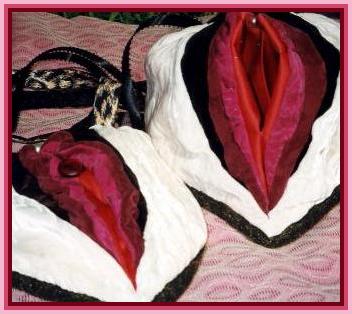
when i pull my skirt up
i got long curtains
they go meow meow meow;
i don't care at all.
sometimes my curtains purr
especially when
nice boys open them,
but i don't drop my skirt
for just anyone.
i just let the boys
play cat & dog with my fanny.
and sometimes my curtains purr
cos they know how to open them
when i pull my skirt up.
Subscribe to:
Posts (Atom)